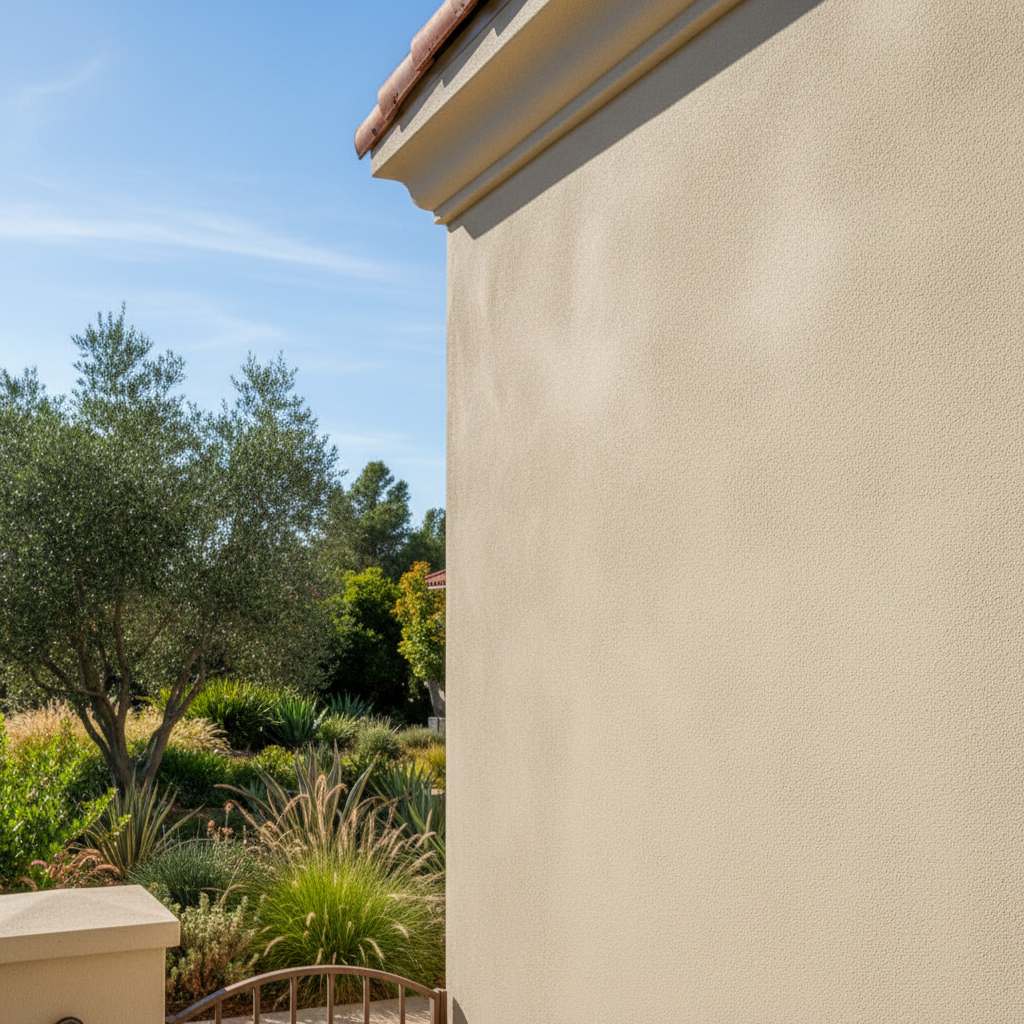
So, you've got stucco on your home here in Stanford. That's a smart choice, really, especially for our climate. It's tough, looks good, and if it's installed correctly, it can easily last for decades. But "tough" doesn't mean you can just forget about it. Like anything else, your stucco needs a little TLC to truly go the distance. I've been working with stucco in this area for a long time, and I've seen firsthand what makes it last and what causes trouble. Let's chat about how to keep your investment looking sharp and protecting your home.
Making Your Stucco Last Longer
The biggest thing you can do to extend your stucco's life is actually pretty simple: keep it clean and keep it dry. Sounds obvious, right? But you'd be surprised how often these basic ideas get overlooked. Our dry summers and those occasional heavy winter rains we get here in Stanford really put your stucco through its paces. Dust, pollen, even some of that fine soil from the hills, can build up on your walls. When that stuff mixes with rain, it can create a grimy film that holds moisture. Over time, that leads to staining or even mildew, especially on north-facing walls that don't get much sun.
Usually, a good, gentle cleaning every year or two is all it takes. Grab your garden hose with a spray nozzle – definitely not a pressure washer cranked to maximum. If you don't use them just right, pressure washers can actually damage the stucco surface, pushing water into places it really shouldn't go. Just a steady stream of water, maybe a soft brush for any stubborn spots, and a mild detergent if you need it. Rinse it all off thoroughly. That's it. It's not rocket science, but it makes a huge difference, believe me.
Proper drainage is another key factor. Make sure your gutters are clean and directing water well away from your foundation. If your landscaping is too close to the house, especially plants that tend to hold a lot of moisture right up against the stucco, that's a problem. Trim them back. You want good air circulation around your walls. Water is stucco's number one enemy, so anything you can do to prevent long-term exposure or standing water against the wall will definitely pay off.
Regular Check-ups: What to Keep an Eye Out For
Beyond just cleaning, you should really do a visual inspection of your stucco at least once a year. Take a walk around your house. Get up close. What exactly are you looking for?
- Cracks: Small hairline cracks are pretty normal. Stucco expands and contracts with temperature changes, and minor cracking is just part of the deal. These usually aren't structural, and they typically don't let water in. Larger cracks, though, especially ones wider than a credit card or running horizontally for several feet, need more attention.
- Stains: Dark streaks, green patches, or rusty-looking stains can all signal trouble. Dark streaks often mean water is running down from an unsealed area above, like a window sill or roofline. Green patches? That's usually mildew or algae, which points to ongoing moisture. Rust stains could be from metal flashing or fasteners that are corroding.
- Bulging or Soft Spots: Press gently on the stucco. Does it feel solid? If you find areas that feel soft, spongy, or bulge outwards, that's a big red flag. It usually means water has gotten behind the stucco and is damaging the material underneath.
- Sealants: Check the caulk around your windows, doors, and where the stucco meets other materials like trim or the foundation. Is it cracked, peeling, or missing? These are critical spots where water can sneak in.
Seriously, don't ignore these things. A small crack or failing caulk joint might seem minor, but it's an open invitation for water. And once water gets behind the stucco, things can go south fast. Especially with our clay soils around here, any foundation movement can stress stucco, leading to cracks that definitely need sealing.
Time to Call a Pro?
So, you've done your inspection, and maybe you've found something that looks a bit more serious than just needing a good scrub. When should you pick up the phone and call someone like us at Midway Stucco Co?
You should absolutely call a professional if you see any of these:
- Significant Cracks: Anything wider than 1/8 inch, cracks that are growing, or cracks that seem to indicate structural movement. We can assess if it's just a surface issue or something much deeper.
- Soft or Bulging Areas: This is almost always a sign of water intrusion and damage to the sheathing underneath. It needs to be opened up, the damage repaired, and then re-stuccoed properly. This isn't a DIY job, folks.
- Persistent Staining: If you've cleaned it and the stains keep coming back, or if they're accompanied by other signs of moisture, it means there's an ongoing water source that needs to be found and fixed.
- Flashing or Drainage Issues: If you suspect your flashing around windows, doors, or at the roofline isn't doing its job, or if you have persistent water pooling near your foundation even with clean gutters, that's a job for an expert. We understand how water moves and how to properly seal and flash these areas.
- Extensive Mildew or Algae: While small patches can be cleaned, widespread growth suggests a more systemic moisture problem that really needs investigation.
Look, a lot of homeowners are handy, and that's fantastic. But stucco repair, especially when water damage is involved, isn't just about patching a hole. It's about understanding the entire building envelope, how moisture works, and how to make sure the repair integrates smoothly and prevents future problems. You want someone who knows how stucco behaves in our climate, someone who can match textures and colors so your repair doesn't stick out like a sore thumb. Don't wait until a small problem becomes a huge, expensive headache. A timely, professional repair can save you a lot of money and stress down the line.