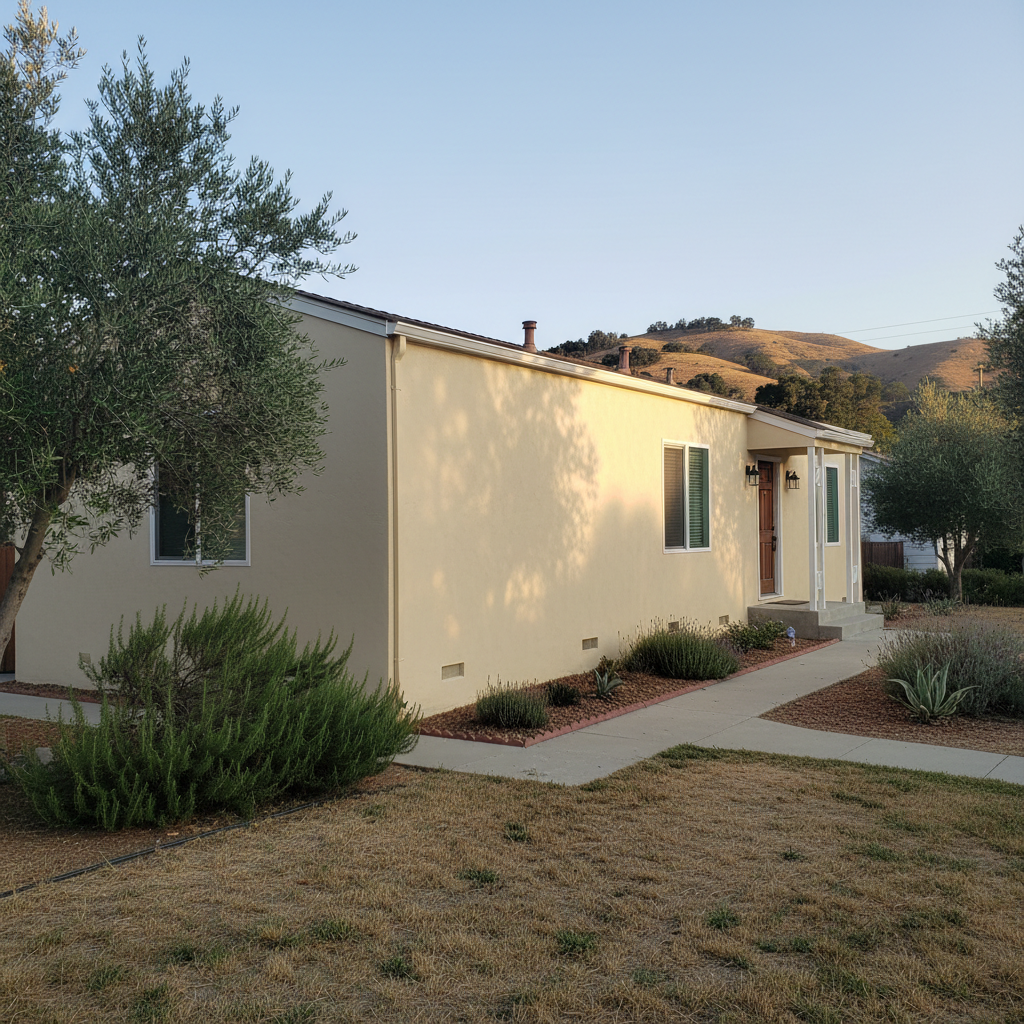
So, you're thinking about giving your stucco home a fresh coat of paint? Smart move. A quality paint job doesn't just make your place look sharp; it's a crucial layer of protection for your stucco, especially given our Stanford weather. I mean, we get those hot, dry summers, but then the occasional heavy winter rains really hit hard. But what's it actually going to cost you?
I hear this question all the time. Folks want to know if they're getting a fair deal, and honestly, there's a lot of confusing info out there. As someone who's been working with stucco for decades, I can tell you there's no single, easy answer. Still, I can definitely give you a solid roadmap.
What Really Drives Stucco Painting Costs?
A few big things really make the price jump around. Understanding these helps you make sense of your quote.
- Size of Your Home: This one's pretty obvious, right? A sprawling ranch in Old Palo Alto will cost more to paint than a modest mid-century modern in Professorville. More square footage means more paint, more labor, and, naturally, more prep time.
- Condition of the Existing Stucco: This is a huge factor. If your stucco has a bunch of cracks, spalling (that's when it flakes off), or efflorescence (those white, powdery salt deposits), we can't just paint over it. That's like slapping a band-aid on a broken leg, if you ask me. We'll need to do repairs first, and those definitely add to the cost. So, expect to pay more if we need significant repairs before any paint goes on.
- Type of Paint: Not all paints are created equal, especially for stucco. You really need a high-quality, breathable, elastomeric paint designed specifically for masonry. These paints cost more per gallon than your run-of-the-mill interior latex, but they last longer and just perform better in our climate. Don't skimp here; it's a false economy, truly.
- Accessibility: Is your house two stories or three? Are there tricky angles, lots of windows, or landscaping that makes it tough to get ladders and equipment around? The more complex the job, the more labor it takes, and sometimes, more specialized equipment might be needed.
- Color Change: Going from a dark color to a light one, or vice-versa, often needs more coats of paint to get full coverage. And that, of course, means more materials and labor.
- Prep Work: This is where a good contractor really earns their money. Power washing, scraping loose paint, patching, priming – it all takes time. If a contractor rushes this part, your paint job simply won't last.
Typical Cost Ranges in Stanford, CA
Alright, let's talk numbers. For a professional, high-quality stucco paint job in Stanford, you're generally looking at anywhere from $2.50 to $6.00 per square foot of painted surface area. This isn't just the footprint of your house; it's the total surface area of all exterior walls. Most homes fall somewhere in the middle of that range.
So, for an average 2,000 square foot single-story home (which might have around 3,000-4,000 square feet of paintable exterior surface, depending on its design), you could be looking at a total cost between $7,500 and $24,000. A larger, more complex home with significant repairs could easily push past that upper end, no doubt.
Keep in mind, these are just averages. Every house is unique, and that's why a detailed quote is absolutely essential.
What Should Be Included in Your Quote?
When Midway Stucco Co. gives you a quote, or any reputable contractor for that matter, here's what you should expect to see itemized:
- Detailed Scope of Work: Exactly what areas will be painted, and what won't be.
- Surface Preparation: This should include power washing, scraping, patching, crack repair, and priming. Seriously, don't let anyone skip this part.
- Materials: The specific type and brand of paint, primer, caulk, and any other materials.
- Number of Coats: Typically two coats of finish paint over primer.
- Labor Costs: The crew's time.
- Protection: Covering windows, doors, landscaping, and other surfaces to prevent drips and overspray.
- Cleanup: Daily and final site cleanup.
- Warranty: What kind of warranty is offered on the work?
How to Avoid Overpaying (or Underpaying for a Bad Job)
Here's my best advice:
- Get Multiple Bids: Three is a good number. Make sure they're all bidding on the exact same scope of work so you can compare apples to apples.
- Don't Automatically Go with the Lowest Bid: A super low bid usually means corners are being cut somewhere – cheaper paint, less prep, or an uninsured crew. You'll pay for it later, either in repairs or a premature repaint.
- Ask for References and Check Them: Talk to previous clients. See their work.
- Verify Licensing and Insurance: This protects you if something goes wrong.
- Read the Contract Carefully: Make sure everything discussed is in writing.
A good stucco paint job is an investment. It protects your home and really boosts its curb appeal. Don't rush the decision, and don't be afraid to ask questions. You want a job that lasts, and that starts with understanding what you're paying for.